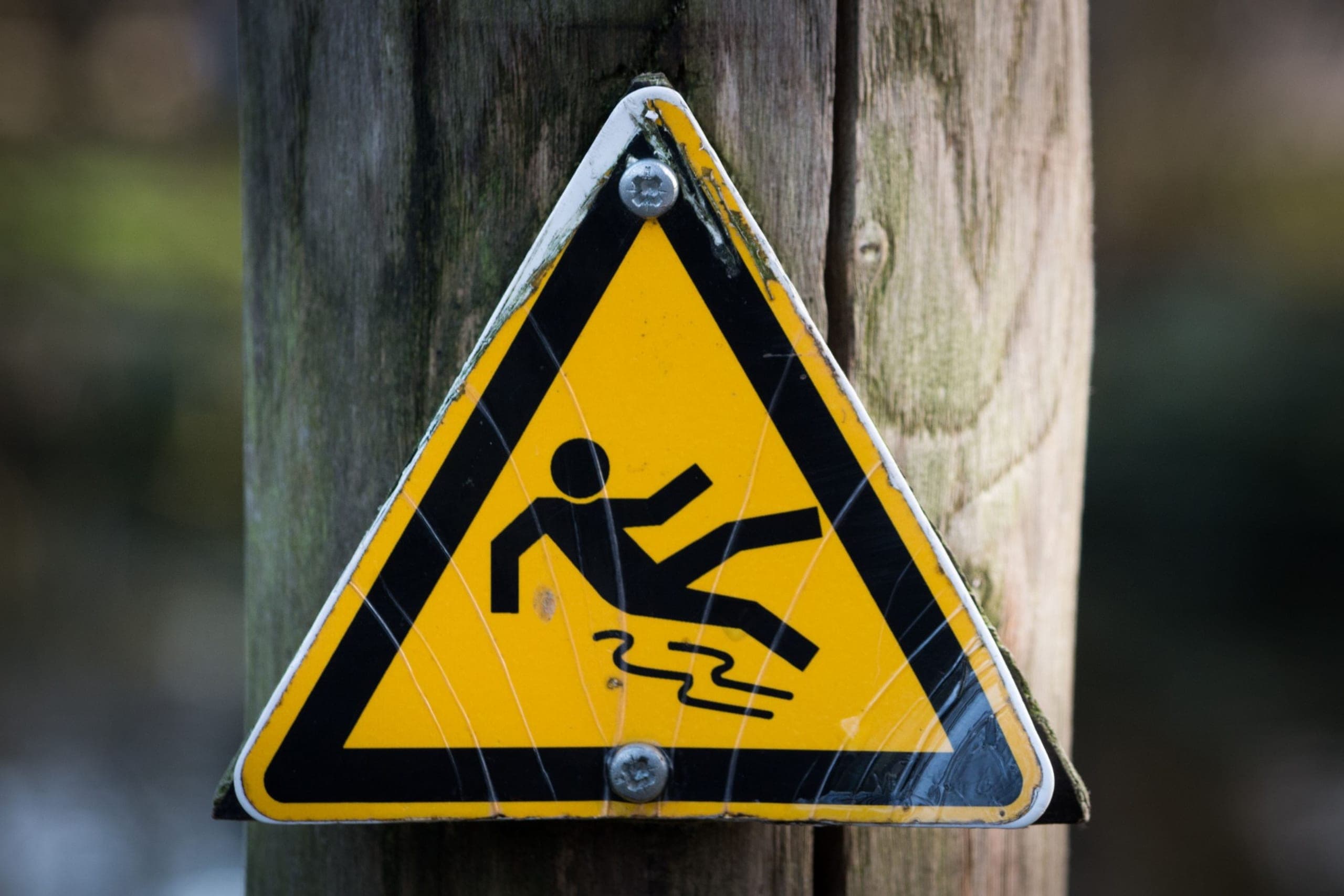
The mode of operation rule lets an injured shopper in Arizona skip one of the hardest parts of a slip and fall case: proving the store knew about the specific spill. If a business's chosen way of operating, usually self-service, makes it reasonably foreseeable that hazards like the one you slipped on will regularly occur, you don't have to prove the store had notice of that particular hazard. The Arizona Supreme Court confirmed the rule in 1987. The question then becomes whether the store took reasonable steps to deal with a risk it should have seen coming.
The rule is powerful but narrow. Arizona courts require real evidence that hazardous conditions regularly arise, not just that spills happen sometimes. Here's how the rule works, when it applies, and what evidence makes the difference.
What Is the Notice Requirement in Arizona Slip and Fall Cases?
In most Arizona slip and fall cases against a business, you have to show one of three things:
| How You Prove It | What It Means | Why It's Hard |
|---|---|---|
| The business created the hazard | An employee spilled, mopped, or placed the hazard | Stores rarely admit it |
| Actual notice | The business knew the hazard was there | Employees usually say they didn't see it |
| Constructive notice | The hazard existed long enough that the business should have found it | Nobody knows how long a spill was there |
| Mode of operation | The business's way of operating made this type of hazard a regular occurrence | Requires evidence of a recurring pattern |
What is the difference between actual and constructive notice?
Actual notice means the business really knew, such as an employee who saw the spill or a customer who reported it. Constructive notice means the business should have known, because the hazard was there long enough that a reasonable inspection would have caught it. Constructive notice is where most grocery store cases fall apart. A puddle of shampoo doesn't come with a timestamp, and without one, a store can argue it appeared seconds before the fall.
That's the problem the mode of operation rule solves.
How Does the Mode of Operation Rule Remove the Notice Requirement?
It shifts the focus from the spill to the business model. In Chiara v. Fry's Food Stores of Arizona (1987), a shopper slipped on creme rinse, and neither she nor the employees could say how it got there or how long it had been on the floor. The trial court dismissed the case for lack of notice.
The Arizona Supreme Court reversed. It said the lower courts had focused too closely on the specific substance, and that the only real question was whether Fry's could reasonably anticipate spills on a regular basis. Employee testimony that spills regularly occurred in the store was enough to send the case to a jury.
The idea wasn't new in Arizona. In 1981, the Court of Appeals applied the rule in Bloom v. Fry's Food Stores, a fall on a grape near a loosely stacked produce display. The opinion was written by then-Judge Sandra Day O'Connor, shortly before she joined the U.S. Supreme Court.
Does the rule make the store automatically liable?
No. It removes the need to prove notice of the specific hazard, but you still need to show the business failed to use reasonable care against a risk it could foresee. A store with frequent sweeps, mats at drink stations, and quick cleanup may still win. What the rule does is get you past the "we didn't know" defense so a jury can decide.
When Doesn't the Mode of Operation Rule Apply in Arizona?
When the evidence shows only occasional spills. In Contreras v. Walgreens Drug Store (2006), a man slipped on liquid in a Walgreens. The store manager testified there were "a couple of spills" a week. The Court of Appeals held that wasn't enough, because nothing showed those spills were hazardous, reached the floor, or happened in areas customers used. The court distinguished Chiara, where the clerk's testimony pointed to recurring hazardous spills in public areas.
The rule tends to fit settings like these:
- Produce sections with loose fruit and vegetables
- Self-serve drink stations and soda fountains
- Salad bars, hot bars, and bulk bins
- Sample stations where customers carry food and drinks through aisles
- Garden centers where watering leaves floors wet
Arizona isn't alone in drawing that line. Courts in other states that use the rule, like the Kansas Court of Appeals in Hembree v. Wal-Mart, have stressed that it isn't meant to cover every self-service situation. It's a poor fit for one-time hazards, structural problems like a broken tile, or areas where customers don't handle merchandise. Those cases usually rely on actual or constructive notice instead.
What evidence proves a store's mode of operation?
The same kind of evidence that won Chiara: proof that this type of hazard shows up regularly. That often comes from:
- Employee testimony about how often spills happen and where
- Sweep logs and cleaning schedules
- Prior incident reports from the same area
- Store policies on mats, runners, or lids at drink stations
- Surveillance video showing traffic and spills over time
Most of this is in the store's hands, which is why it's usually obtained through formal requests after a claim is filed.
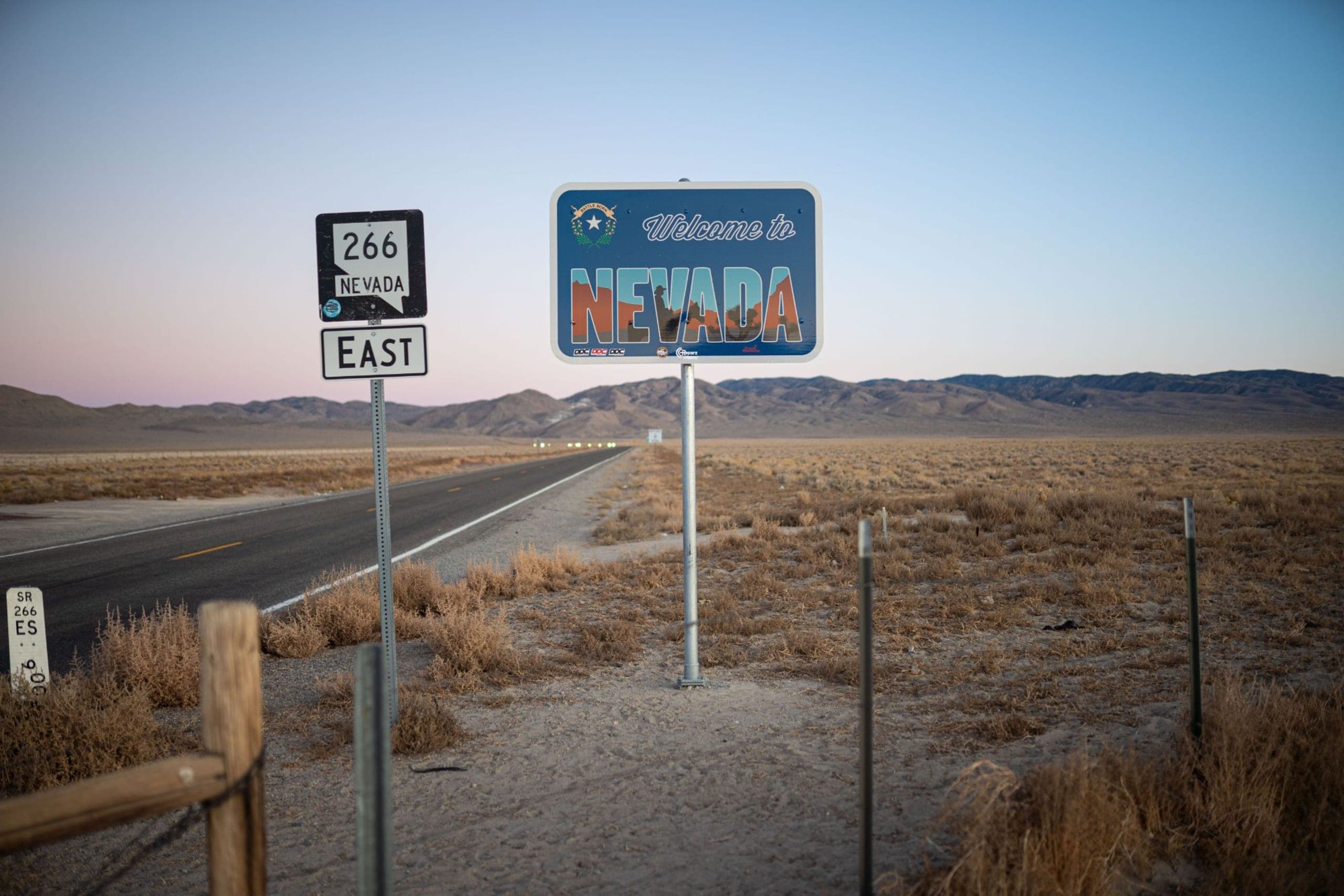
How Is Arizona Different From Nevada?
Both states deal with self-service falls, but they take different paths. Arizona has a formal mode of operation rule with its own test from the Arizona Supreme Court: could the business reasonably anticipate hazardous conditions would regularly arise?
Nevada handles it mainly through constructive notice. In Sprague v. Lucky Stores (1993), a produce section fall, Nevada's Supreme Court held that liability requires actual or constructive notice, and that constructive notice is generally a question for the jury, as a Ninth Circuit decision applying Nevada law summarizes. In FGA, Inc. v. Giglio (2012), the Nevada Supreme Court limited the mode of operation approach to self-service settings and refused to extend it to sit-down restaurants.
For a Nevada fall, see what to do after a slip and fall in Las Vegas. The takeaway for both states is the same: evidence that the hazard was a recurring problem is what wins these cases.
What Else Affects an Arizona Slip and Fall Claim?
A few other Arizona rules shape these cases:
- Duty of care. In Perez v. Circle K (2025), the Arizona Supreme Court restated that businesses have an affirmative duty to keep premises reasonably safe for customers, though they aren't required to guarantee absolute safety.
- Comparative fault. Under A.R.S. § 12-2505, your own share of fault, like looking at your phone, reduces your award but doesn't bar the claim.
- Filing deadline. Arizona generally allows two years under A.R.S. § 12-542 to file an injury lawsuit.
- Public property. A fall at a city-owned facility or on a public sidewalk requires a notice of claim within 180 days under A.R.S. § 12-821.01. Here's how Arizona's 180-day notice of claim works.
How Can Meesha Moulton Law Help After an Arizona Slip and Fall?
Mode of operation cases are won with evidence the store controls, like sweep logs, incident reports, and video that may be overwritten quickly. Meesha Moulton personally reviews every case, and consultations are free for personal injury matters, so you can move to preserve that evidence before it's gone.
Learn more about working with a Phoenix slip and fall lawyer, visit the firm's Phoenix office, or request a free consultation to talk through what happened.
Frequently Asked Questions About the Mode of Operation Rule in Arizona
What is the mode of operation rule?
It's a rule that lets an injured customer skip proving a business knew about the specific hazard they slipped on. If the business's way of operating, usually self-service, makes it reasonably foreseeable that similar hazards will regularly occur, the case can go forward without proof of notice. The business can still defend itself by showing it took reasonable precautions.
Do I have to prove the store knew about the spill in Arizona?
Usually, unless the mode of operation rule applies. Normally you must show the store created the hazard, knew about it, or should have found it through reasonable inspection. Under the mode of operation rule, you instead show the store could reasonably anticipate hazards like it would regularly arise because of how it operates.
Does the mode of operation rule apply to all stores?
No. Arizona courts require evidence that the particular business could reasonably anticipate hazardous conditions would regularly occur in customer areas. Occasional spills aren't enough. The rule fits best in produce sections, drink stations, salad bars, and other areas where customers handle food and liquids themselves.
What is the difference between actual and constructive notice?
Actual notice means the business knew about the hazard, such as when an employee saw it. Constructive notice means the business should have known about it because it was there long enough that a reasonable inspection would have found it. The mode of operation rule is an alternative to both.
Does Nevada have the mode of operation rule?
Nevada takes a narrower approach. Nevada slip and fall cases usually turn on actual or constructive notice, and the Nevada Supreme Court has limited the mode of operation approach to self-service settings, refusing to extend it to sit-down restaurants. Arizona's rule is more established, with a specific test set by its Supreme Court.
How long do I have to file a slip and fall claim in Arizona?
Arizona generally allows two years from the injury to file a personal injury lawsuit. If the fall happened on government property, such as a city building or public sidewalk, you must also file a notice of claim within 180 days, and the lawsuit is due within one year.